SANZO JOURNAL · 原创器型的差异化价值、抄袭款的风险、OEM 厂的原创设计能力如何判断
Why Original Design Commands a Premium
4 min read
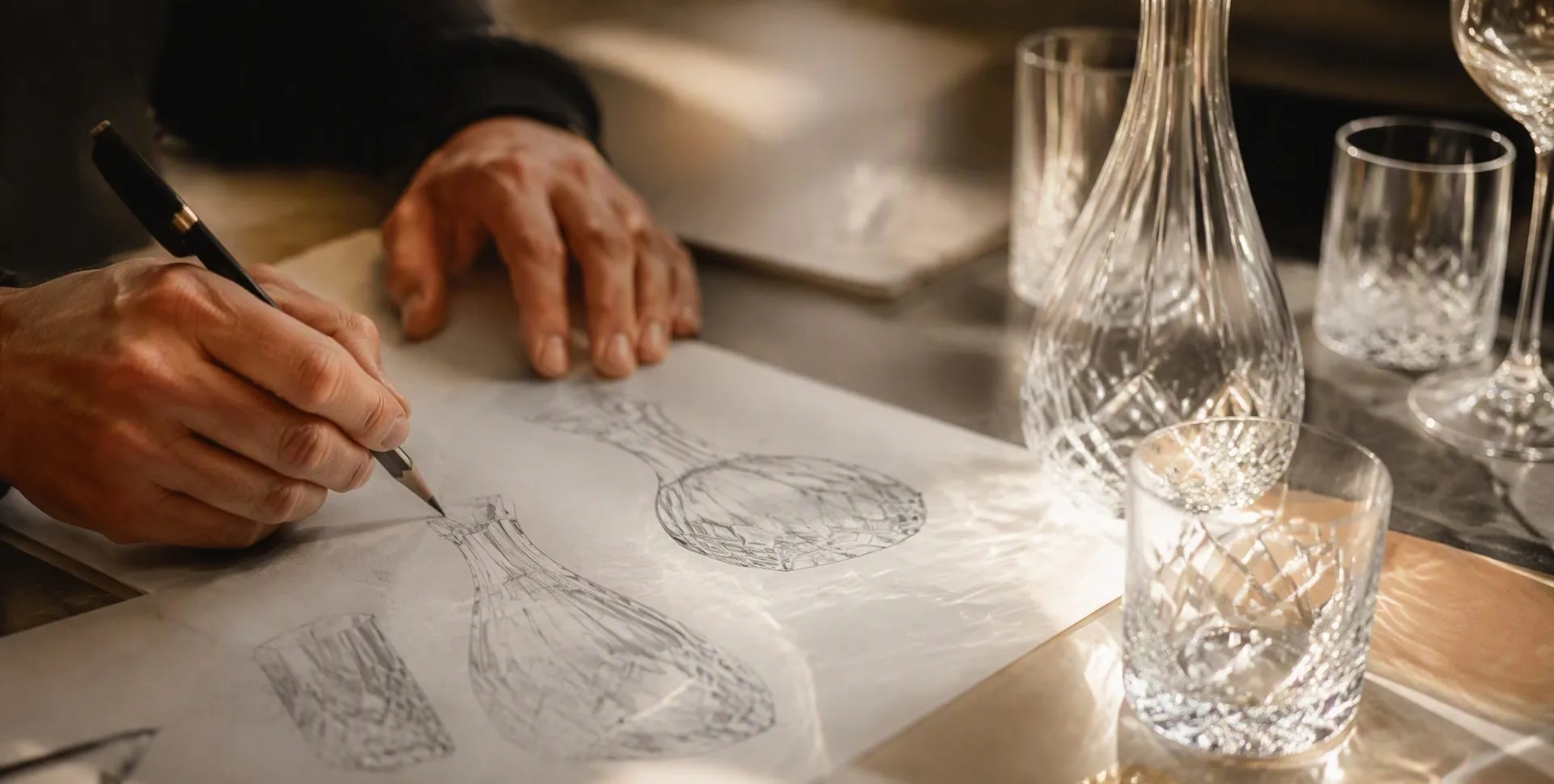
At a trade show, two decanters sit side by side at neighboring booths. The silhouettes are nearly identical, yet the quotes differ by 40%. The buyer's instinctive question: "Are these coming off the same production line?" What's really being asked isn't about price—it's about what sits behind the price. Who invested in the original mold, who copied it, and who is still reserving capital for the next round of development.
Where the Cost of an Original Silhouette Actually Lies
The cost of an original glass piece begins long before the designer draws the first line. A viable silhouette must clear three gates: it has to look striking on the shelf, hold its shape during blowing, and survive stacking and dishwashing in real-world use. Hand-blowing is not 3D printing—every curve must account for how molten glass flows under gravity, how the artisan distributes breath, and how stress releases inside the annealing lehr. A rim that appears effortlessly refined may have required a dozen iterations of wooden molds. Those invisible rounds of trial and error are what the premium actually pays for.
The Risks of Copying Go Far Beyond Looking 'Close Enough'
Copying a best-selling silhouette saves more than just design fees. The hidden costs run deeper: without access to the original mold specifications, copiers can only replicate by eye—wall thickness, center of gravity, and hand-feel all drift off target. If the original brand has registered a design patent in the destination market, an entire shipment risks seizure at customs. Even more immediate: when ten suppliers are all pushing the same "hit product," a race to the bottom squeezes margins so thin that post-processing gets cut—decal replaces kiln-fired decoration, spray paint replaces ion plating—and it is the buyer's own brand reputation that ultimately pays the price.
How to Assess an OEM Factory's Design Capability
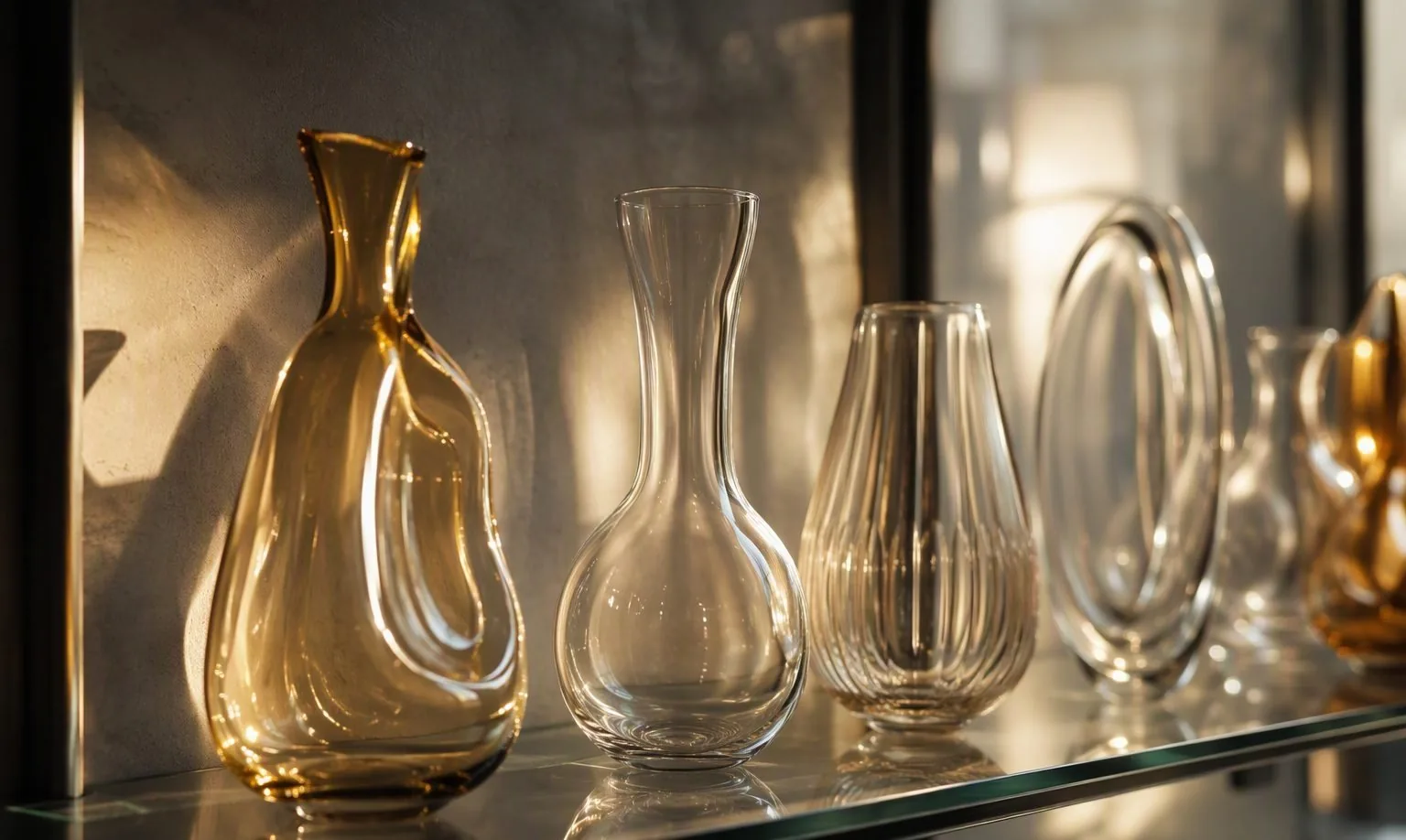
Don't just take "we have an in-house design team" at face value. See whether they can answer the following:
- Can they break down the blowing challenges of a specific silhouette on the spot—identifying where the rim is prone to cracking and where annealing stress fractures are likely?
- Do they operate their own wooden mold workshop, capable of producing a first prototype mold and iterating within one week?
- Are all post-processing steps available in-house—kiln-fired decoration, frosting, ion plating, screen printing—so the entire workflow closes within one facility, eliminating the color-variance and lead-time risks of outsourcing?
- Does their export track record include markets with stringent food-contact regulations, such as the EU's LFGB and the US FDA?
custom glassware designglassware OEM manufacturerhand-blown glasswaremold developmenttooling costsdesign infringement riskhotel and restaurant procurement
Reading this far means you choose suppliers carefully
Tell Xiaozhuo what you have in mind — a few sentences are enough; we handle the rest.
Start a smart inquiry